Hard Lessons from a 40-Unit Disaster: Construction Costs, Cross-Collateralization & Building Wealth the Right Way
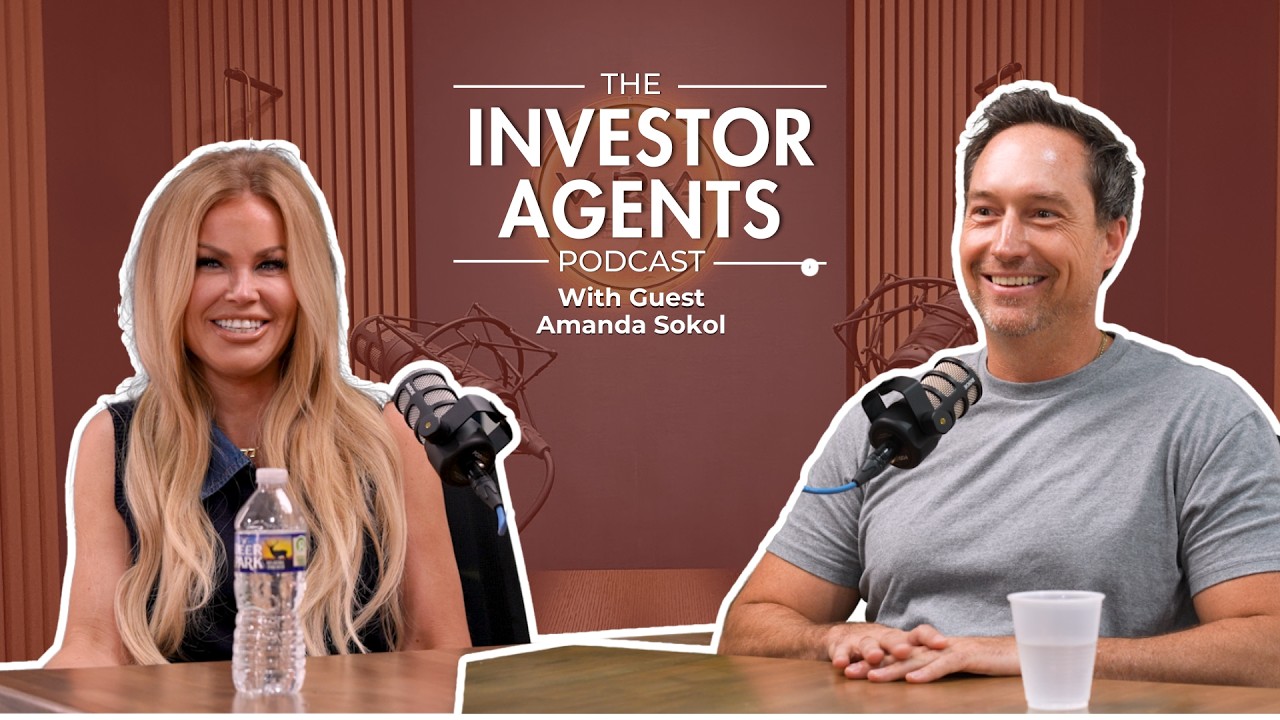


Two experienced real estate investors get real about a painful 40-unit multifamily deal and the lessons it forced them to learn — the kind of insight no course or coaching program will give you.
This episode of The Investor Agents Podcast covers cross-collateralization pitfalls, the real cost of poor construction management, a $15,000 pest control nightmare, and how complex debt structures can quietly destroy your portfolio — and the mindset shifts that follow when you come out the other side.
Topics covered:
• Knowing your numbers: construction costs, rent comps & deal structure
• Why cross-collateralizing assets blocks portfolio flexibility
• The LP money partner model for smarter operational control
• Quality over quantity — the investor mindset shift that matters
• Women in real estate & construction: how industry experience creates fearless negotiators
• Evolving motivations: from ego-driven goals to impact-driven investing
• What actually drives high-performing real estate investors beyond money
Whether you're just starting in real estate, scaling a multifamily portfolio, or an agent-investor looking to level up — this episode delivers the candid, unfiltered insight you need to build smarter.
Subscribe and leave a review to help other investors find the show.
The Investor Agents Podcast | Real Estate Investing | Multifamily | Property Management | Hard Money Lending | Passive Income | Women in Real Estate | Apartment Investing
Unknown Speaker (0:00): Take one. Is this thing on?
Amanda Sokol (0:18): Yeah, welcome everyone. We're here with the Investor Agent Podcast. And today I have Amanda Sokol. We felt compelled to shoot another podcast. We did one a couple of years back and funny enough, long story short, I saw Amanda on a podcast and that's how I reached out to her.
Amanda Sokol (0:37): I said, do you wanna be on my podcast? We got to know each other. She was purchasing a building. Two years later, she just became the seller of the building, I'm now the buyer. So we just had the longest closing ever, ten years of this closing real estate here, it was about a two hour closing, but we're now sharing the story.
Amanda Sokol (0:58): So welcome, Amanda. Thanks for being on.
Unknown Speaker (1:00): Thanks for having me back.
Amanda Sokol (1:01): I think a lot of listeners probably, this will go out on your channel, my channel. It's not like we're famous here, so a lot of people probably already know your background, but why don't you give me and the listeners just a little bit about your backstory in real estate?
Unknown Speaker (1:15): So basically, I've been in real estate my whole life. Well, adult life anyway. Started when I was in college, worked my way from Philly to South Jersey, then bought single families and worked my way to apartments. I mean, is over like twenty years. So sounds fast, but it wasn't.
Unknown Speaker (1:34): Now I have like 400 something units, I'm down 40 that are now yours, Your problem.
Amanda Sokol (1:39): Yeah. My dad had a saying. He said one man's trash is another man's treasure. And I think that a woman's trash was a man's treasure.
Unknown Speaker (1:48): I think
Unknown Speaker (1:50): you wanted to get rid of these. Not to say that they're trash, but I think there was a headache. Right? It's been a headache probably.
Unknown Speaker (1:55): It's been a long road for me. Yeah. Yeah. On this one. A lot of didn't
Unknown Speaker (2:01): things come up like any Advil with the purchase. You didn't give me any Advil.
Unknown Speaker (2:05): And, you know, every time I thought it was done, it just wasn't done. So I think you are the fourth or fifth buyer.
Unknown Speaker (2:15): Starting to scare
Unknown Speaker (2:15): me here.
Unknown Speaker (2:16): Get buyers remorse and sign
Unknown Speaker (2:18): It's too late now. Can't turn around.
Amanda Sokol (2:20): So why don't you, you know, why don't we go into because everyone talks about, you know, big success stories, all the wins. And what most real estate investors won't talk about is the level of stress that real estate can cause and how it's just can be discouraging, but not to be negative. We still, I think both are grateful for what real estate's done for our lives as a whole. But why don't you talk about some of the challenges that this project had for you guys?
Unknown Speaker (2:50): Incorrectly. So originally, I had it with bank debt and then pref equity. And the reason I did it with pref equity was because I wanted to own more. So, you know, when you structure it and you have to raise money, you have investors, you have to share it. I figured why not just keep half of it, I'll split it with a partner and we can own half, I'll own half, he'll own the other half.
Unknown Speaker (3:16): Well, the bank didn't like the pref equity terms and probably like for a very good reason. They're super aggressive. Basically, they can take over control of the entire transaction. So I ended up going with the pref lender as also the debt, which pretty much everyone and their mother told me not to do. And I did it anyway.
Unknown Speaker (3:38): So it was a 100% leveraged at twelve and fifteen or 1213%. And this
Unknown Speaker (3:49): was what? Like a So it's a 40 unit building. It was about what? Like a 2.6?
Unknown Speaker (3:53): I think it was like a $3,000,000 loan.
Amanda Sokol (3:55): Dollars 3,000,000 loan. Yeah.
Unknown Speaker (3:57): So the construction that went into it, my partner was handling the construction. They did a very poor job on the construction. We had to go in and redo a lot of things that they did, which costs a lot of money. I didn't have a lot of control in that aspect. I think it needed really heavy management and it needed somebody to be on-site a lot.
Unknown Speaker (4:22): And it was just
Amanda Sokol (4:25): because you had to turn over a lot of the units. Like you had to get out, turn over a ton of tenants and renovate a bunch of the units.
Unknown Speaker (4:32): And these were tenants that were paying like $500 a month who have been there for like fifteen years. You know what I mean? Like they're not willingly going to leave. They don't know where to go. Where are they going go for $500 month?
Amanda Sokol (4:43): And it's a hard place to be in too. And you try to work with some and we talked about it's like, you do them all at once? Well, you can't because it's just it's too much downside. But at the same time, it's hard to do a few at a time because it just takes so long.
Unknown Speaker (4:57): You only need one tenant who has cockroaches to get a whole building that has cockroaches.
Amanda Sokol (5:03): Talk about that $15,000 cockroach bill.
Unknown Speaker (5:05): Yeah. So it actually, I think 15,000 was just one month. Just one Just one month of So we had to actually They were so bad that we had to treat the outside. So I've never had to treat the outside of a building before. We had to do the outside, the inside, the basement, all like the crevasses, like everything.
Unknown Speaker (5:22): Everything. I started itching when we started.
Unknown Speaker (5:24): Yeah. Like I had never even seen a cockroach before I bought this building. So, have to get the cockroach tenant out, which is like, in New Jersey, there's only certain reasons you can get people out of a place and cockroaches isn't one of them. So if they're paying their $500 a month, legally, you can't get them out. So it was a journey for sure of that.
Unknown Speaker (5:49): A lot of pest control problems, a lot of plumbing problems. In retrospect, probably what we should have done was vacate the whole building. And I know you and I talked about that because you did that before.
Amanda Sokol (6:01): I did it on an 11 unit, but it's you know, this this particular property, we say it's a 40 unit, but it's a three buildings, a 24 unit
Unknown Speaker (6:09): Yeah.
Amanda Sokol (6:10): And then a 16 unit. And then on an on-site on a different site, three minutes away is another 16 unit. Right?
Unknown Speaker (6:16): So Yeah. So I think Yeah. Yeah. So I think maybe what I should have done was vacate the 16 unit, done that, then moved on to the next. And then I could have moved tenants from there
Unknown Speaker (6:26): Yeah.
Unknown Speaker (6:26): Into the other building. You know what I mean? Just for like the time being while I renovated that, I think that was probably the move. But it was definitely where I went wrong was the structure of this transaction, which is crazy because I was so proud of how I structured it. So like.
Amanda Sokol (6:42): Well, in one way it's great, right? Very little out of pocket, almost complete ownership between you and your partner. And then, so in one sense, is good, but the execution of the deal just is It was a lot harder than you had anticipated. And the timeframe that deal loan, the debt on it wouldn't have been bad debt if it was really short term, but we all know nothing goes as planned. No.
Amanda Sokol (7:07): And things always take longer. It's just
Unknown Speaker (7:10): So theoretically on paper, the plan worked. Right? And like, I'm obviously a numbers nerd. I'm, you know, do my pro form a, like underwrite to the worst case scenario. I had like underwritten the crap out of this deal and I was very confident that it was going to work.
Unknown Speaker (7:27): So for it to not work is kind of like, numbers aren't everything. It's prior ownership, it's management, it's tenants.
Amanda Sokol (7:38): It's a lot of complex Yeah. Moving So
Unknown Speaker (7:41): it was a lot. So I definitely went wrong there, the debt. And then we decided to list it for on an auction website when we got mostly done. And, they told us that we were going to get like five five. Well, it came time for the auction and everybody's on the phone.
Unknown Speaker (8:03): And there's like 20 people on this call and no one's bidding. And they're like putting in like an automated bid and no one's bidding. And I'm like, this is really bad. Then they're like calling people that they thought were going to bid that aren't bidding. And apparently and I had followed these like sites before, but I think this was like during like 2021 when like rates were different.
Unknown Speaker (8:26): And I remember like stuff going for like like 2,000,000 over what I thought it was.
Unknown Speaker (8:31): Just were bidding like crazy.
Unknown Speaker (8:34): And here it was that they were requiring a hard deposit, like just off the bat. And I think everybody was scared. They didn't know. They either didn't get to walk the building or they did walk the building. They had just a lot of unknowns.
Unknown Speaker (8:47): And that five five never happened. And the broker kind of like disappeared. And then we had to hire another broker to sell and then that deal fell apart. So it was like one thing and another.
Unknown Speaker (9:00): I'm trying tell you, I'm a real buyer. I know. I've been working on this for a year now.
Unknown Speaker (9:04): I know. Know.
Amanda Sokol (9:05): Initially when we were talking about it, I was going to buy into your existing partnership. Then part of the reason why it didn't make sense is once we got into the debt was structured, was like, I can't get into that, you know, and then come full circle, you know, you sold it to another buyer that was higher than me and they didn't deliver. And Yeah. Now we finally just closed this.
Unknown Speaker (9:22): The morning of closing, by the way.
Unknown Speaker (9:23): Oh, my goodness.
Unknown Speaker (9:24): Yeah. So it'd be like this morning with them backing out, it was like 7AM. I got an email from the attorney. On
Amanda Sokol (9:30): a scale from a one to 10, how stressful has this deal been?
Unknown Speaker (9:34): So I wanna say that I'm a person who manages stress very well. It takes a lot to rattle me. I'd say given the partnership structure and the collateral involved. So I did cross collateralize, which I forgot to mention that, which is really important. Because the first deal that I had that was gonna close, I had another closing that was supposed to be like a week later on just like a single family house that I didn't want anymore, but that was collateralized.
Unknown Speaker (10:01): They were people that were buying it as their primary residence and I had to cancel the deal because it would have all gone towards the loan.
Amanda Sokol (10:09): So you couldn't sell your other property because it was tied up because you had Yeah. They cross collateralized the debt onto
Unknown Speaker (10:14): I think like 4,000,000 in assets. Yeah. Yeah. So it
Amanda Sokol (10:17): really tied up a lot of other things too, right? Because that could have freed up cash.
Unknown Speaker (10:22): A lot of my head space So on a scale of one to 10, I'd give it probably a seven.
Amanda Sokol (10:28): Yeah. So what are your biggest takeaways moving forward? I know for now you're shooting a TV show, Amanda's always brokering some crazy capital deals and doing different things, higher paying activities with less stress. But in terms of your real estate learning experience, I'm sure you've had some great lessons in this too, because the failures aren't really failures, they're just learning lessons. And it's like, you want not to do it again, obviously the debt, but the partnership structure.
Unknown Speaker (10:58): Partnerships I think is important. And then I don't think I'll ever cross collateralize anything ever again. I'll I'll personally guarantee any loan. That I know. I know I'll always pay something back.
Unknown Speaker (11:09): That I know.
Amanda Sokol (11:10): But don't tie up other projects.
Unknown Speaker (11:12): Tying up other stuff to it. You never know what's gonna happen on your own projects and when you need the money or whatever, something gets hard to manage or it needs a new roof and you just want get rid of it. You don't have anywhere to pull the money from. And I think
Amanda Sokol (11:25): And with your portfolio has a lot of single families, which it's great to be able to peel one off and sell it. And when you tie up other properties, it prevents you from doing that.
Unknown Speaker (11:34): Yeah. So I don't I would never do that again. That was That was Good thing I didn't do that today. Don't do that. Know.
Unknown Speaker (11:42): When your lender was there, I was like, I hope you didn't also Well, your
Amanda Sokol (11:44): debt was close to what? Like 1215%?
Unknown Speaker (11:48): And it was accrued.
Amanda Sokol (11:49): So Was it do you remember how I know it was like a little complex structure where there was senior lien debt and then pref in
Unknown Speaker (11:57): Originally, I think the low well, so it was a 100%. So it was supposed to be 1,000,000 in construction and then the purchase price.
Amanda Sokol (12:07): Gotcha.
Unknown Speaker (12:07): But they didn't release the second half of the money. So it was 500.
Amanda Sokol (12:11): Right. And that stalled the project because then you couldn't finish Since it wasn't fully stabilized, you couldn't sell it to the right type of buyer. It's also it's a big enough building that your typical mom and pop investors not really buying that, but at the same time, it's not big enough for an institutional buyer. And you're kind of in this middle ground.
Unknown Speaker (12:29): You have this pool of some qualified some not. Some brokers, like it's not in their wheelhouse. Like South Jersey has a lot of
Amanda Sokol (12:40): Why did I buy this again? No, I like it. I mean, to me, this is not like a huge value add in terms of like, there's definitely some forced value add, but it's just a buy and hold long term. I think it'll be a cash flow.
Unknown Speaker (12:52): The location is great.
Amanda Sokol (12:53): Yeah, over time it's Units are small. I got some pretty good debt on it. 80% You have debt 6.3% interest. That's not bad in this environment right now.
Unknown Speaker (13:04): I think because they're small, I think it doesn't cost a lot to renovate them. No. So I think like and you don't need to do a crazy amount of upgrades. I don't know. Are you taking the ceilings and stuff down, the popcorn ceiling?
Unknown Speaker (13:19): Unit by unit, I mean,
Unknown Speaker (13:21): we'll see. Okay.
Amanda Sokol (13:24): So, all right. So going back, I just because I really want anyone that's listening to get value. What are some of the other things that you feel like really helped you along in your journey because you scaled up to about 500 units. I know you sold this 40 units and then another 40 unit building. But that's a substantial amount of real estate for someone your age without inheriting a ton of money and learning how to scale this is pretty impressive.
Amanda Sokol (13:49): So what are some of the skill sets that you feel like are so important for newbie investors and anyone that's maybe got their feet wet, but they wanna scale to that level? What are are the some of the things that they should really learn?
Unknown Speaker (14:02): So I have like a general rule of thumb that like I don't ask anybody to do anything that I don't know how to do. And I think that's so important with this line of business as far as construction goes. Like if you don't know what's involved with replumbing something or putting a roof on, like you have to assign a value to that. And I think knowing your construction numbers is so important. What things should cost per square foot.
Unknown Speaker (14:26): If you're doing sheetrock, like what flooring should cost, what flooring install cost. Knowing if you're gonna put carpet in there, like what do the tenants what are tenants looking for? I think that's super important construction, knowing your numbers and knowing your rents. So you should be touring other buildings. Right?
Unknown Speaker (14:47): Like touring buildings in the area. Are the units smaller? Are they bigger? Do they have amenities? What are they getting for a one bed?
Unknown Speaker (14:54): A one bed across multiple towns should give you a good idea of where you should be. And you never want to be less. You never want to be the cheapest one bed because then you get everyone or the most I should say the other way, the most expensive one bed because then you get all the tenants that were rejected from all the other buildings. So you want to be like kind of middle ground and have a very clean, just safe place. Right?
Unknown Speaker (15:22): But like emphasis on clean.
Amanda Sokol (15:24): Yeah. So putting this building aside, because I know that's like, we were talking a lot about that and a lot of what you're saying. In general? Yeah, just in general, like what are the main skill sets that you need to develop as a real estate investor to scale to 400 or 500 units? I mean, it's like, for me, it goes to raising capital, finding deals
Unknown Speaker (15:44): Yeah.
Amanda Sokol (15:44): And then operating it like the management piece.
Unknown Speaker (15:46): So I've never had trouble finding deals. People say that's me all the time. I'm like, I find deals all the time. So I like, I can literally look in like the MLS and find
Unknown Speaker (15:54): Find me some deals.
Unknown Speaker (15:55): Yeah, I will. I missed that part actually, the deal hunt. I don't get to do it as much. But I think definitely knowing your numbers, I guess, deal structure. Like, do you want to raise capital?
Unknown Speaker (16:07): Is that what you want to do? Do you want to partner? I kinda think the easiest way to go at it is just to have a money partner. Like, if you have a money partner who wants to just kinda be like an LP type role where they're just kinda in the background, they don't really make any decisions, you just make them money. I think that's probably the ideal partnership.
Amanda Sokol (16:25): And that helped you a lot, right? You've you've done several
Unknown Speaker (16:28): Yeah. I've done
Amanda Sokol (16:28): structures like that where, you know, you bring in a capital partner and you're the operator, you find a deal and run it.
Unknown Speaker (16:33): I've kind of structured a deal every which way at this point. Yeah. That's my favorite way because I feel like I have the most control. Yeah. So I have the contract
Amanda Sokol (16:42): because a great deal that doesn't get executed on turns to a bad deal really quickly.
Unknown Speaker (16:48): Yeah. I mean,
Amanda Sokol (16:48): it's kind of what happened in this one and not that you're a bad operator, it was multiple layers of things that happened in that specific transaction. Because I've seen other stuff that you've done and it's, you do great with it, right? So you didn't get to where you're at by not delivering. Yeah. It was more just
Unknown Speaker (17:04): the control piece of management.
Unknown Speaker (17:06): You gave up a lot of control with the way it was structured.
Unknown Speaker (17:09): Yeah. And then the debt being so expensive.
Unknown Speaker (17:11): So
Unknown Speaker (17:14): I think knowing construction, knowing your numbers and then knowing how to like structure a deal, figuring out do you want to have higher debt? Do you want lower debt? I feel like we're gonna see the return of the lower leverage investor. Like I think It you're gonna be
Amanda Sokol (17:30): has to, right? Like you almost need it for what it for the numbers to work. When you could go 100% leverage and the rates were low and the cap rates there was when there was room there, now there's not really a ton of room. So you have to have the skin in the game and you have to have some money sitting there as part of it.
Unknown Speaker (17:48): And if you talk to like the OG guys from like the eighties, they're big on low leverage. They all don't want to be over leveraged because they've all seen it. Like they've been through the wave and they've rode it out and they're like, don't do it. So I think we're kind
Amanda Sokol (18:04): Interesting of coming back to how real commercial underwriting criteria hasn't changed all that much. It's just people started getting super creative with deal structure. But if it's 30% down, a certain DSCR coverage, then there's room in the deal.
Unknown Speaker (18:24): And like the pref equity piece that comes in behind like the Fannie, Freddie and all that, like that's really expensive.
Amanda Sokol (18:30): It works if the deal's incredible and everything goes smoothly, but it can get too yeah, it's just too much.
Unknown Speaker (18:36): So I think like picking a path of what you want to do and then just following it. You know, like I want to do class C, class b value add. And then you go that path. How are you doing that? Are you raising capital?
Unknown Speaker (18:49): Are you you need to learn the construction. You need to know what it's going to cost to turn over a unit. It's really your number one thing. And then can you change your OpEx? Like what expenses can you trim down?
Unknown Speaker (19:01): Is there room there? I think that's also really important. But, yeah, I think I think when I make my grand comeback, I'm gonna go class a.
Unknown Speaker (19:12): Yeah.
Unknown Speaker (19:13): Think.
Amanda Sokol (19:14): Quality over quantity, right? Yeah. Still do big quantity. One thing I wanted to talk about, which is kind of off topic, but just being a woman in real estate investing, not that there's plenty of women investors out there, but it has been in the past predominantly men, I'm sure. What are some of the pros and cons of that?
Amanda Sokol (19:34): Because you've obviously used it for your leverage with, like just being standing out in the crowd, so to speak, right? Like if you're not bold in this world, then you kind of fall in the background. But I think you have such a big online presence and have created a good reputation for yourself in the business. Just why don't you just share your story in that and like how that came about?
Unknown Speaker (19:58): I grew up in construction. So I think like I'm not intimidated by really like if my dad's a contractor, I was treated like a contractor on the job. Like he would literally bring me to work and put me to work. So I was around like older men who were like yelling at each other. Like, I don't know if you've ever been on construction site.
Unknown Speaker (20:15): They do not treat each other well.
Unknown Speaker (20:16): My dad was a contractor.
Unknown Speaker (20:17): So they don't treat each other very well. They're very like, they're screaming at each other, throwing stuff. So like that was what I was used to. And I feel like what that did to me as an adult was it made it so like, I'm not really intimidated by anyone. Right?
Unknown Speaker (20:33): I You are pretty fearless, I will say. Yeah, like I can walk into a room, sit next to somebody who's like a billionaire or sit next to a contractor. I don't really care. It's the same to me. Right?
Unknown Speaker (20:42): Which is that's how it should be.
Unknown Speaker (20:44): We should treat all
Unknown Speaker (20:44): people the same.
Unknown Speaker (20:45): But like you should be able to talk to anyone.
Unknown Speaker (20:47): Not be intimidated.
Unknown Speaker (20:48): Yeah. So I'm not intimidated. Like I think even when I was sitting there, I was like, oh, let me shoot my shot at this deal. I couldn't even remember where it was. I had to like remember, I'm like, who was that?
Unknown Speaker (20:58): But like, you have to be willing to like have those conversations and not be scared. I mean, what's the worst that happens is they say no. Like me and my friend Allison, actually we did the women's event. So I hosted this event, it was women raising capital.
Amanda Sokol (21:13): I think it's so awesome that you're doing that because it doesn't take much for someone to see, oh, someone else can do it. But I do think it's different when it's a woman looking at a bunch of men doing it. There's an additional layer of intimidation.
Unknown Speaker (21:26): Yeah, is. It's intimidating. It's intimidating to talk to lenders. I don't think lenders realize how intimidating they are, but they are intimidating. And you're asking them to give you money.
Unknown Speaker (21:37): So it's like a weird conversation, I think, like for men and women, but I think women are intimidated to have those conversations. So the whole point of the event was like, listen, we'll make these introductions for you. You can have the same conversations, but you have to put yourself out there. Cause I think I thought that women weren't getting loans because they were getting like denied. But here they're not even applying.
Unknown Speaker (22:00): So I'm like, there's like a bigger problem. They're
Unknown Speaker (22:02): even trying.
Unknown Speaker (22:02): Yeah. Right. And it's because they don't know where to go. So I'm like, if I can be like, you know, the voice to help even a couple women.
Unknown Speaker (22:10): It's amazing.
Unknown Speaker (22:11): Yeah. Then I feel like I would love to really take like a young group of girls and like help them invest, like even in their own talent.
Unknown Speaker (22:18): How are going to do that now? So you said it, But, spoken out into
Unknown Speaker (22:23): well, that's what I would like to have like a fund that does that eventually, you know, at some point or like mentorship or something. But I haven't figured out the piece of like, how do I get them the loan? Cause really I have to be on it, you know? So there would have to be something, I don't know. I had talked to one lender about it.
Unknown Speaker (22:40): They're like, maybe we could JV it. They were trying to figure it out.
Unknown Speaker (22:43): I have faith you can figure it out.
Unknown Speaker (22:44): I know another structure thing. But yeah, I think like it's definitely, it's helped me. I'm sure it hurts me, but I don't really pay attention to it.
Amanda Sokol (22:57): So another thing I want to talk about too, because I want to kind of tie this back to when we first met and I know your one big goal was to build a skyscraper, right? And I just want to talk a little bit about how like we always have our plan and then the plan and how things change and just share a little bit about how, you know, I know you a little bit, right? It's just like off camera and Amanda is she's always doing way more than I would ever imagine. She's shooting films and brokering big deals. And I don't even know if everything she's saying makes sense or what it is or understand it, but it's all very inspiring.
Amanda Sokol (23:35): I'm like, okay, it's just more entertaining. Right? So number one, do you still wanna build a skyscraper?
Unknown Speaker (23:41): I don't think so.
Amanda Sokol (23:42): No. No. And where do where do you like, back and reflecting on that big what do people call it? What a BHAG? Big hairy audacious goal.
Amanda Sokol (23:51): Yeah. What what do you think Oh, is driving yeah. The BHAG? What's your BHAG? So I think it you know, you obviously wanted to build something substantial.
Amanda Sokol (24:01): Right? And you've built a big portfolio about
Unknown Speaker (24:04): looking think I wanted that to prove that I could do it. Yeah. And I would think I wanted to leave something that I knew could never be taken down. Like I did that.
Amanda Sokol (24:12): Something permanent.
Unknown Speaker (24:13): Something permanent that I mean, if you think about it, there's only like a handful of people that have done that. Right? When you think of like real skyscraper. It's not an easy thing to do.
Amanda Sokol (24:23): I always used to wanna build a bridge. This is why I'm digging in this conversation.
Unknown Speaker (24:27): Yours must be to take you from one place to another.
Unknown Speaker (24:29): Yeah, maybe.
Unknown Speaker (24:30): That's your but mine is is permanent apparently.
Unknown Speaker (24:33): Yeah. So And I think behind that, like you said, you wanna prove it. It's not I don't think it's
Unknown Speaker (24:39): somewhat from anyone else.
Amanda Sokol (24:41): I think it's because you really wanna make you wanna be an inspiration and make a difference for other people. That's what I see in you. I mean, the layer behind the layer, if you peel it back a little more where even just the fact that you want to take a group of girls and help them get started and financing and help them get loan approvals and access to capital on deals. It's not, I just know the way you are, it's not about you accumulating all this. Then, so there's I think it's important to understand the motivations and I just I've seen that in you.
Amanda Sokol (25:10): I wanted to highlight in this conversation, but also not tell you, I wanna hear from you.
Unknown Speaker (25:15): I think something in me changed though, like recently where I was like, I just don't wanna do that anymore. And I was like, all I really want is like calm and peace. And to me, Skyscraper is the opposite of that. Right? Like I would probably have the most stressful, like difficult ten years of my life because that's probably how long it would take.
Unknown Speaker (25:34): And do I want that? No, I don't think I do.
Amanda Sokol (25:39): Think that's just some wisdom kicking in and thinking about what's really important and how do you have that same level of impact in ways that aren't as stressful.
Unknown Speaker (25:48): Yeah, like, I mean, if you ever read that Billionaire's Row book.
Unknown Speaker (25:51): I haven't read it.
Unknown Speaker (25:52): Okay. So I mean, about the most stressful. I mean, a lot of them are condos on like, you know, 5th Ave around Park, Park Ave, whatever it is in New York. And I just stressful, awful, difficult transactions that are like never ending lawsuits and like, you know, and it's what drives them. Right?
Unknown Speaker (26:14): Like what is the driver? I think about that every time I have a conversation with somebody is what's driving them every day. And
Unknown Speaker (26:20): I'm always fascinated by it.
Unknown Speaker (26:22): Me too.
Unknown Speaker (26:22): I was with my mentor the other day and his real estate fund is approaching 2,000,000,000 in assets.
Unknown Speaker (26:28): And he keeps going, right?
Amanda Sokol (26:29): Well, he's out of it. I mean, it's snowballing without him at this point, but he's still educating himself. He's still going to events, networking, you know, he became a SEPA, which is a certified exit planning specialist. You know, I asked him that in the interview and it's really came back to his ability to impact others.
Unknown Speaker (26:47): Okay.
Amanda Sokol (26:48): Right? So that's like the common thread that I'm always trying to highlight in these conversations is like, I believe, you know, when you look out in the world, it does look like doggy dog, know, just everyone's out for themselves. But if you peel away a lot of the BS and the ego, I think most people wanna make a difference.
Unknown Speaker (27:03): Yeah.
Amanda Sokol (27:04): And they're just trying it in different ways. Obviously, you know, if you don't have your own needs needs met, you get thrown into that like scarcity mindset and that drives people. We've talked about this, you know, the scarcity versus abundance. But I think when people are coming from that abundance mindset, it really, if you look at it, what's behind that, even if they're they might look crazy because they have this huge portfolio and they want more. But I think it's also because they probably have big dreams for their charitable contributions or setting up a foundation or helping a group of people.
Amanda Sokol (27:35): There's usually some sort of major drive behind that.
Unknown Speaker (27:38): And I think a lot of it too is like winning, but it's not really competing against other people. It's like winning for yourself.
Unknown Speaker (27:44): Yeah, you want to feel progress. Like
Unknown Speaker (27:45): you just
Unknown Speaker (27:46): don't feel like you did better today than yesterday.
Unknown Speaker (27:48): Yeah. And I think like that's what I've noticed is like a theme is not only like helping people, because I feel like a lot of people at the top definitely do that. But a lot of it is like winning. It's never money. Like if you ever talk
Unknown Speaker (28:00): Money's to like not that exciting.
Unknown Speaker (28:01): No, it's not actually. It won't keep you going.
Amanda Sokol (28:05): That's just the carrot that looks exciting, but it's the winning of the deal. It's winning the negotiation, whatever it is.
Unknown Speaker (28:12): And most real estate investors, even the ones at the top live very thin, right? Like they never have a lot of cash in the bank ever. I mean, when I was a broker, would see people's PFS and I was like, seriously? You're worth like a 100,000,000. You have like 50,000 in the bank.
Unknown Speaker (28:30): Like crazy stuff.
Unknown Speaker (28:32): And you know, there's that cash is trash thing saying, but that's not really true. It's nice to have some liquidity and it helps with bumps in the roads.
Unknown Speaker (28:39): I think don't think I'll ever do that again. Like I'll never live that thin again.
Amanda Sokol (28:43): It's serving anyone.
Unknown Speaker (28:45): And it's scary and it's not worth it.
Unknown Speaker (28:48): Just to get a little further.
Unknown Speaker (28:50): No. So yeah, no more skyscraper for now. Maybe I'll return back to it.
Amanda Sokol (28:57): So we're kind of almost towards the end of our time here. And I wanna make sure if you had anything else you wanna leave with anyone
Unknown Speaker (29:06): in terms of
Unknown Speaker (29:07): My lack of words or
Unknown Speaker (29:09): God, feel like it's been so much. Definitely choose your partners wisely, for sure. Make sure your goals are aligned. Definitely debt, get cheap debt. As cheap as you can.
Unknown Speaker (29:28): Yeah, for long term holds anyway.
Amanda Sokol (29:31): Awesome. Well, you for sharing. And I know this conversation went in many directions. Hopefully the listeners found some value in it.
Unknown Speaker (29:38): It's like two people with ADD are like
Unknown Speaker (29:41): all entrepreneurs, right? So just got to embrace it. All right. Thank you.
Unknown Speaker (29:45): All right. Thank you.
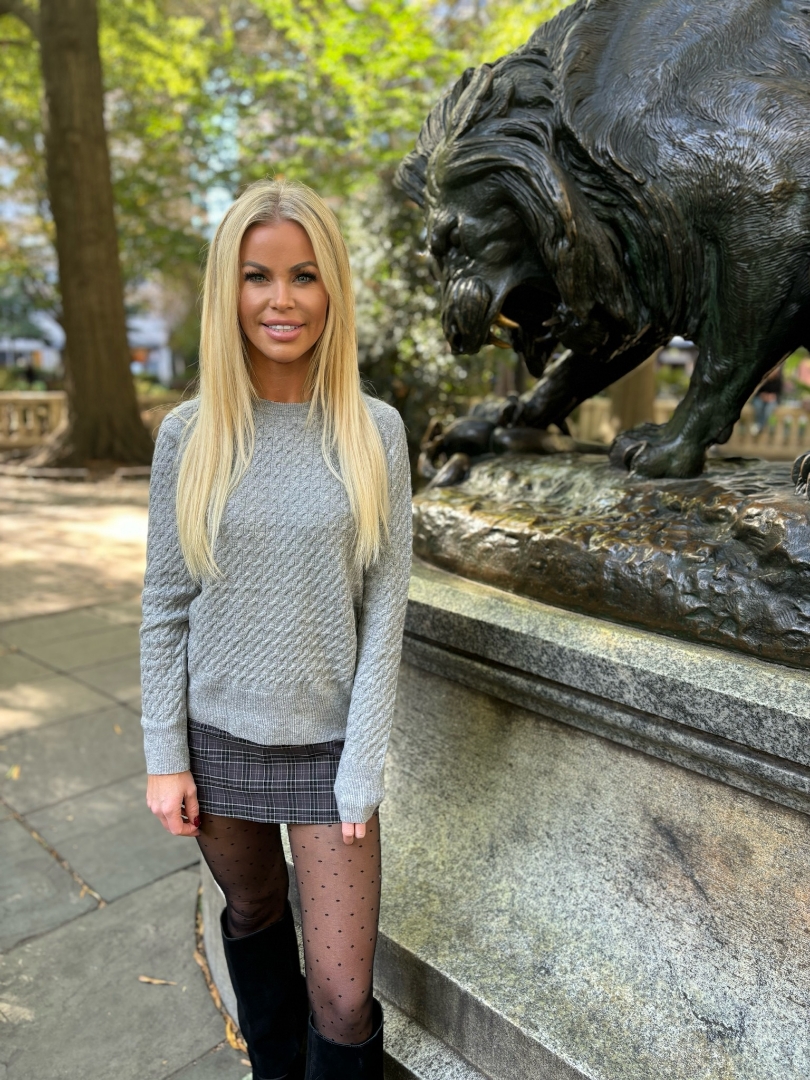
Real Estate Investor
Amanda Sokol is the founder of Sokol Enterprises, a buy-and-hold real estate investment company specializing in heavy value-add multifamily properties and small development sites across New Jersey, Pennsylvania, and Florida. With a passion for analyzing deals, uncovering hidden value, and creating opportunities where others overlook, Amanda has built a reputation as a strategic and forward-thinking investor.
Beyond real estate, Amanda is active in next-generation tech and media ventures. She plays a key role in raising capital and expanding investor relations for Galxy, a revenue-generating streaming platform with a profit-sharing model for viewers. Backed by high-profile investors such as Tim Draper, Galxy is rapidly scaling and redefining the media landscape.
Across all her ventures, Amanda stays focused on the numbers, the people, and the vision—whether it’s breaking down a multifamily pro forma or building a disruptive media tech pitch deck. She frequently shares market insights, deal breakdowns, and investment strategies with her network and is passionate about connecting with like-minded investors, entrepreneurs, and innovators.